
The Formation of Army Spirit
War and PeaceThe novel traces army spirit from parade discipline and imperial adoration toward the shared endurance that defeats the invasion.
increasing Bearing strength in each event
 decreasing
Bearing strength in each eventdecreasingParade Discipline
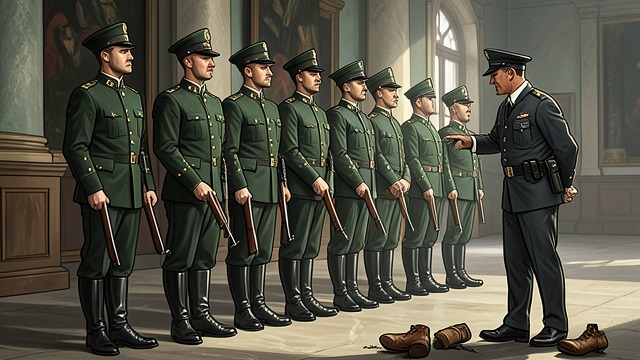
Order on Display
The Russian regiment prepares for inspection by cleaning uniforms and arranging every man in place.
Institutional Strength
Discipline creates visible cohesion.
Hidden Weakness
The broken boots expose the difference between appearance and actual readiness.
Imperial Devotion
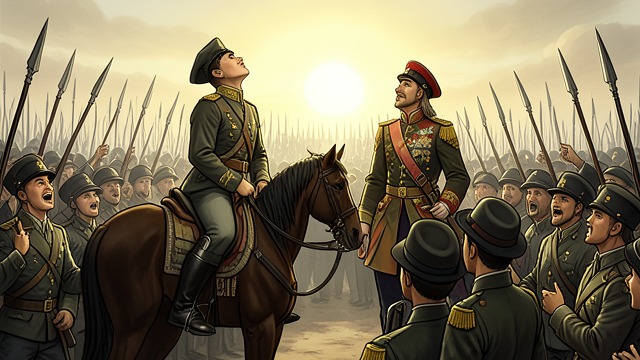
Love of the Sovereign
The Russian Imperial Guard experiences Emperor Alexander I as the emotional center of military power.
Collective Ecstasy
Rostov feels ready to die at a word from the Emperor.
Fragile Foundation
Such devotion depends on ceremony and does not guarantee battlefield understanding.
Battlefield Solidarity
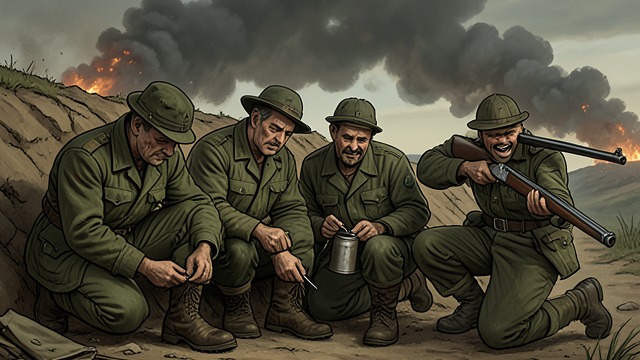
Men Hold Together
At Borodino, soldiers endure fire through shared habits, jokes, work, and silent mutual recognition.
Ordinary Courage
They repair boots, carry ammunition, and return to ranks without theatrical heroism.
Collective Force
Their willingness to remain becomes stronger than the formal commands directing them.
Clean Shirts for Death
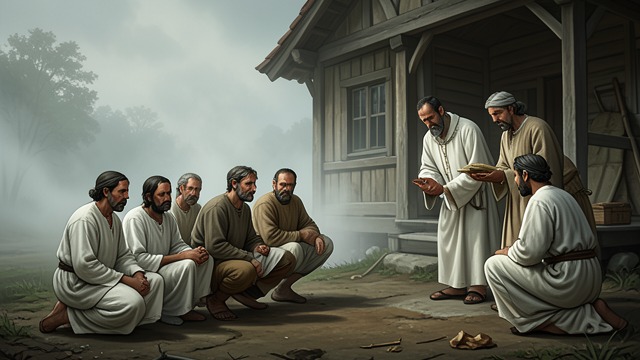
Prepared for Sacrifice
Russian militiamen put on clean shirts before the Battle of Borodino, treating death as a solemn possibility.
National Participation
Civilian men enter the army without abandoning their peasant identity.
Moral Atmosphere
Their readiness confirms that the war has become a people's conflict.
Endurance in Retreat
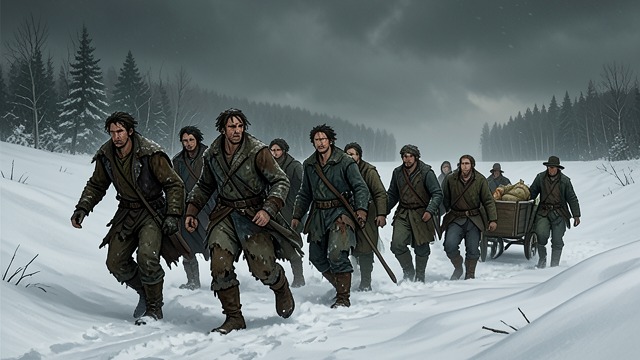
Cheerfulness After Exhaustion
The Russian army remains animated despite frost, hunger, missing equipment, and relentless pursuit.
Selection by Survival
The weakest have fallen away, leaving men capable of enduring the conditions.
Final Strength
Army spirit becomes a force more decisive than numbers or formal tactics.
October 1805 at Braunau
November 1805 at the Olmutz review
August 1812 during the Battle of Borodino
August 25 1812 before Borodino
November 1812 during the French retreat
